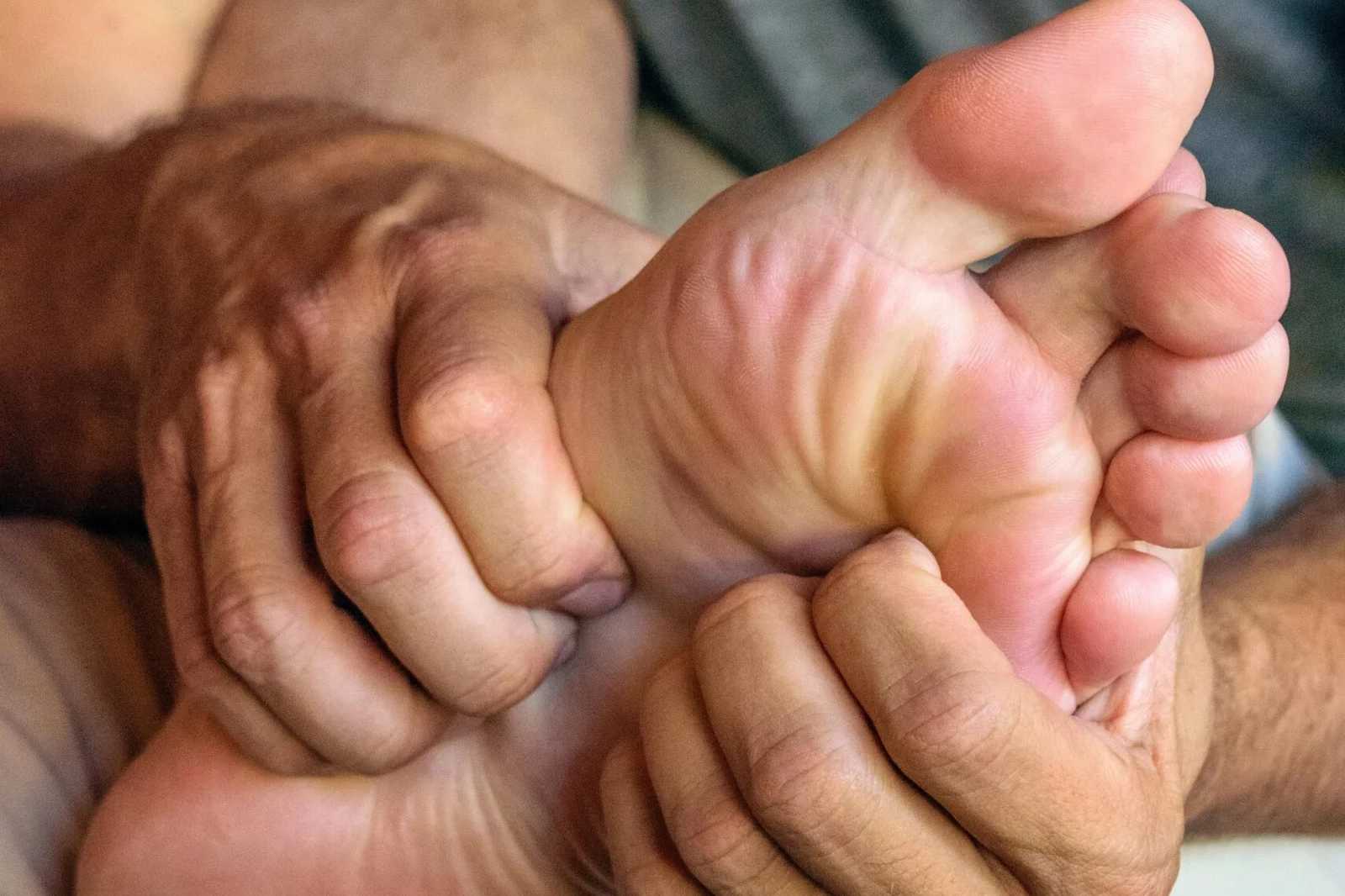
Protect Your Feet and Prevent Complications
Diabetes can affect the nerves and blood circulation in the feet, increasing the risk of reduced sensation, skin damage, ulcers, and infections. Some people with diabetes may not notice a minor cut, blister, or wound because they cannot feel it properly. Without timely care, even a small injury can develop into a serious complication.
Diabetic foot care is an essential part of comprehensive diabetes management. At Dr. Baranees’s diabetes care centre in chennai, the focus is on identifying foot-related risks, promoting preventive care, and helping patients maintain foot health and mobility.

Why Is Diabetic Foot Care Important?
Persistently elevated blood sugar levels can contribute to nerve damage, also known as diabetic neuropathy, and circulation problems. These conditions may delay wound healing and increase the risk of infection. Regular foot examinations can help identify problems early and reduce the likelihood of serious complications.
Our Diabetic Foot Care Services
Foot care recommendations depend on the patient’s medical history, circulation, sensation, and the condition of the feet.
- Foot Examination: Assessment for cuts, blisters, cracks, calluses, swelling, skin changes, and other abnormalities.
- Nerve Assessment: Screening for reduced sensation or signs of diabetic neuropathy.
- Circulation Assessment: Evaluation for possible blood flow problems when clinically indicated.
- Wound Assessment and Care: Appropriate medical evaluation and management of diabetic foot wounds.
- Foot Care Education: Guidance on daily foot inspection, washing, drying, moisturizing, and nail care.
- Footwear Guidance: Advice on appropriate footwear to reduce pressure, friction, and the risk of injury.
- Regular Monitoring: Follow-up based on the patient’s risk level and existing foot complications.
Daily Foot Care Tips for People with Diabetes
Inspect your feet daily, including the soles and spaces between your toes. Wear properly fitting footwear, avoid walking barefoot, and check for injuries. Do not attempt to remove corns or calluses using sharp instruments or chemical treatments without professional advice.
Protect Your Foot Health with Timely Care
Seek prompt medical attention for foot wounds, redness, swelling, discharge, or changes in skin colour. A new wound or suspected infection requires timely assessment.
Consult Dr. Baranees for diabetic foot evaluation, preventive guidance, and appropriate care to help reduce the risk of diabetes-related foot complications.